A few days ago I discovered a way to help parents answer the question “is this behavior a typical age appropriate behavior”
Here’s the analogy I used that breaks it down and gives a great visual.
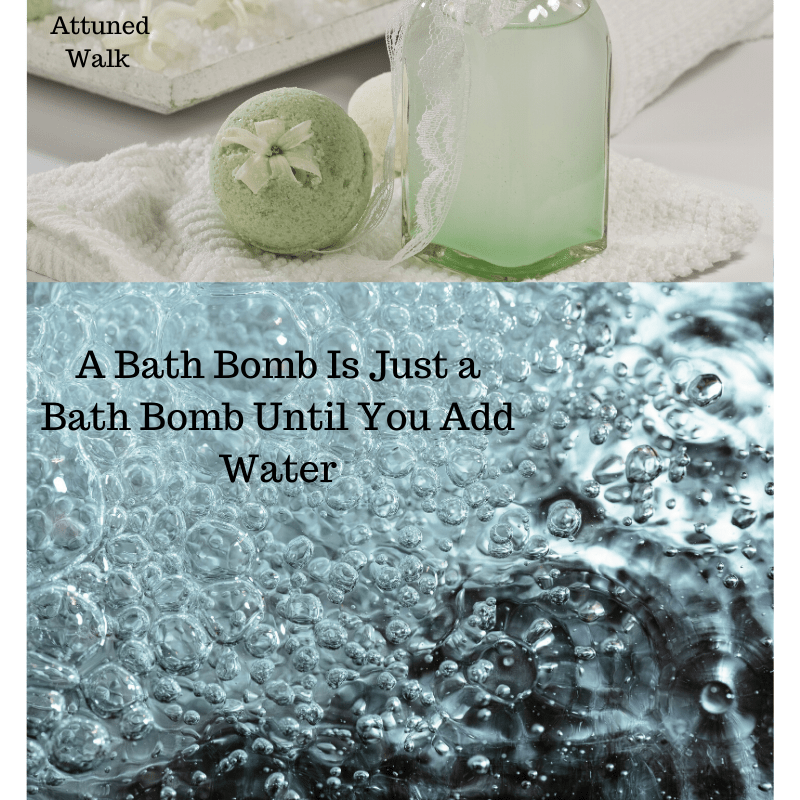
A bath bomb, imagine if we all had a bath bomb inside us. Some large, some smaller, all with different colors. When they get wet they start to fizz. The bigger the bomb the more fizz it creates.
Now imagine that each time water is added we see that as a stressor. A few drops of “I’m too tired” gets added and creates fizz, or a few drops of “I’m too hungry”. We could add all the environmental ones that we don’t have a lot of control over (too hot, too bright, to crowded, etc)
We could also add bigger stressors like I have homework, chores, extracurricular activities, peer relationship challenges. All these things get the bath bomb wet in some way, and create fizz.
As humans we try to reduce the impact to our bath bombs. We’re not thrilled about the fizz. The fizz makes us behave in an irritable way. We get short, snippy, grumpy, angry, and we see it in our kids as they find it harder to listen, slam things, yell….so we try to shield our bath bombs from the stressors and yucky feelings the fizz creates. As reflective adults we realize we need extra sleep, or we need to implement a self care plan. Children aren’t aware they need to implement their self care plan. They go to coping tools, things that have worked to make them feel less stressed in the past, or a time that good endorphins hormones were released.
Similarly adults have coping tools too. They might be things like eating a bowl of ice cream, drinking a few glasses of wine in the evening, or having a morning coffee. But those things are normal right? I mean who doesn’t drink a morning beverage. How are we supposed to know if drinking a coffee is a coping tool or a typical behavior? The answers all in how you use it.Our kiddos do the same thing, they might start requesting us to snuggle with them, extra food/less food, look like they’re regressing and use behaviors that engage us in doing things for them. These are all coping tools, but also typical behaviors. So how do we tell the difference as to if they’re trying to shield the bath bomb or if they’re just living life.
So here is the part that determines whether an action is one to be more mindful and aware of vs. just a typical average “bowl of ice cream because I like it” type of behavior.
Let’s use our adult selves. We like ice cream, and coffee, even wine. None of those things are harmful, and are done by most adults at some point or another. It’s when those actions are done because our bath bomb is getting wet and we’re trying to cope that it becomes problematic. As adults with reflective skills, we can stop and say “wow I’m on an ice cream eating every night type of binge right now, hum I wonder what’s with that”. Our kiddos don’t always have the self reflective skills yet and it’s harder as adults to monitor the little things that appear to be typical behaviors. It’s easy to overlook or brush off some of the actions our kids do. It’s less easy if they trigger us. It’s not till we notice that they’re really trying to push our buttons and refusing to get dressed, wake up, demanding that we do things for them, that we start to look at things as a behavior. We’re right it’s an attempt to cope using the tools available to them. Those behaviors are an attempt to help their bath bomb stop getting wet. It’s a clue to us parents that we need to become detectives and find out what’s making it wet. Whats the stressors?
So the next time your child is having a behavior that you’re finding triggering, remember they’re just trying to save that bath bomb.
For more fun analogies by Natalie Daniel head to http://www.attunedwalk.com

 Attuned Walk